
For Destiny: Rising Top-Up Safety, official NetEase checkout is usually the lowest-risk route because policy ownership, order records, and support responsibility are clearer. Third-party recharge can be legitimate in some cases, but you should only use it when pricing, delivery terms, proof standards, and support paths are transparent enough to survive a failed or delayed order. From comparing checkout paths, the real safety gap isn't just price. It's who owns the order, who can verify delivery, and who will still help when something goes wrong.
Official route or independent seller? Check this first
An official route means the transaction is handled by NetEase or an official platform tied to it, or through official app-store billing.
For Destiny: Rising, the official paths commonly include:
NetEase web checkout via
pay.neteasegames.comor the GamesClub NetEase payment platformIn-app purchases through the Apple App Store or Google Play
Official payment methods confirmed for web checkout: Visa and Mastercard
Official mobile billing paths may expose Apple Pay or Google Pay through the app-store layer, depending on your device and store setup
A third-party route is different. It usually asks for your UID and server, then delivers Silver outside the official payment flow. That doesn't automatically mean fraud. But it does mean the merchant, not NetEase, is the first line of responsibility.
If you're comparing prices or trying to judge whether a Destiny: Rising official vs third-party recharge option is worth it, start with ownership of the transaction, not the discount banner.
Rule vs buyer action: what changes by payment route?
The safest choice depends on what you need after payment: speed, proof, refund options, or account protection.
In my experience reviewing recharge issues, buyers focus too much on whether the card charge succeeded. That's not the key moment. A successful bank charge does not always mean the order cleared verification or matched the right account.
Is official NetEase checkout always the safest choice?
Yes for most buyers, especially first-time, high-value, and cautious buyers.
Official checkout is safer because the rules are clearer. NetEase officially states that fees paid to third parties are outside its liability, and community experience across NetEase games consistently treats third-party top-ups as carrying account-risk exposure. There are no Destiny: Rising-specific third-party ban reports found in the source set, but that isn't the same as safety confirmation.
Where official still has limits
Official doesn't mean perfect.
Digital delivery finality: once credits are applied, reversal is usually difficult
Region/platform limits: users commonly report top-up restrictions by region or platform, with app-store exceptions in some cases
Guest accounts: matching can be limited
Minor accounts: NetEase Parental Care includes one-click game top-up prohibition for minors
So yes, official is safer. But you still need to enter the right account, use the right platform, and keep proof.
Why is a cheap Destiny: Rising top up sometimes riskier than it looks?
Because the discount may be coming from a weaker fulfillment chain, not from a better checkout.
Users commonly report that third-party Silver can be cheaper due to regional pricing advantages. That's the fair explanation. The problem starts when the low price is paired with weak trust signals:
Unrealistic discounts
Vague delivery promises like "instant" with no order tracking
No visible support page or contact form
No clear refund boundary
No proper order lookup
Requests for more account access than a UID/server should require
And there are harder risks. Community reports across NetEase games mention scams, delayed delivery, login issues, account theft, and top-ups funded through stolen cards. That last one matters more than people think: if a recharge is later flagged as unauthorized, users commonly report negative currency adjustments or bans in similar games.
Personally, I would avoid any seller that can't show a clean support path before payment. Cheap is fine. Cheap plus vague is where trouble starts.
Local payment reality: what buyers in the Philippines should notice
If you're in the Philippines, payment convenience can push you toward third-party checkout faster than in card-friendly markets.
The source set specifically notes GCash support on third-party sites for Philippines top-ups. That's useful for no-card buyers. But it doesn't make the route official, and it doesn't remove the support and account-risk trade-off.
If you're weighing convenience against risk, this is where a page like Destiny: Rising third-party top up safe becomes a practical question, not just a pricing one.
What proof should I keep after a Destiny: Rising top up?
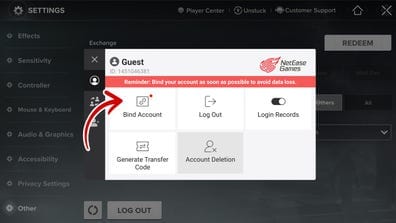
Keep everything needed to prove what you bought, for which account, when, and through which route.
Minimum proof set:
UID
Server/region
Platform used
Order ID
Payment receipt
Timestamp
Screenshot of the selected package before payment
Screenshot after payment showing result or missing credits
That package screenshot matters more than most buyers expect. When support asks what was purchased, "the medium Silver pack" is weak evidence. A screenshot showing the exact package and checkout page is much stronger.
Mini case note: the avoidable mistake I see most
From reviewing digital top-up support cases, the most common avoidable problem isn't payment failure. It's account-detail mismatch. Buyers rush, copy the wrong UID, or miss the server field. On third-party routes, community reports say a wrong UID often means no reversal. Official routes are safer, but even there, account accuracy matters more than payment speed.
What happens if credits do not arrive after payment?
If payment is captured but credits are delayed, act in the order of ownership.
For official web checkout
Use:
In-game customer support through the settings button
NetEase help center contact form
If needed, the payment processor dispute path
Send one clean message with your UID, region, order ID, receipt, timestamp, and screenshots. Honestly, delayed delivery is frustrating when the money already left your account, but support moves faster when the evidence is complete on first contact.
For App Store or Google Play
Use:
Store billing support for charge/refund questions
Game support for missing delivery after a valid purchase
This route is often clearer for reimbursement-focused buyers because the billing trail is stronger.
For third-party recharge
Use:
The merchant's support system first
Keep all chat logs and order records
Escalate to your payment provider only if the merchant fails to resolve it
But be careful with chargebacks. Community reports warn that disputes tied to third-party top-ups can carry account consequences, including bans. And NetEase officially does not accept liability for fees paid to third parties.
Can Destiny: Rising support help if I paid on a third-party site?
Usually only in a limited way.
Game support may confirm whether credits arrived, but it generally won't take ownership of a third-party payment dispute. That's the practical meaning of the official rule. If the merchant failed, your main evidence battle is with that merchant and your payment provider, not with NetEase.
This is also why high-value buyers usually stay official. Community experience consistently favors official routes when ownership, refunds, and support visibility matter.
My recommendation by buyer type
First-time buyer
Use official NetEase checkout or the app store. That's the safest default.
High-value buyer
Use official only. You want the cleanest support trail, lowest account-risk exposure, and better ownership proof.
Urgent buyer
Use the route with the clearest delivery tracking. In practice, that's usually official. Community complaints show third-party delays are especially painful when you need the currency fast.
Reimbursement-focused buyer
Use Apple App Store or Google Play if available for your setup. Users commonly report cleaner billing support there than with independent merchants.
No-card buyer
If a third-party route is your only realistic option, verify:
UID/server entry format
support page exists before payment
order lookup exists
delivery window is stated clearly
discount is plausible, not absurd
VGTopup can make sense only after those checks pass and the checkout details match your account, region, and proof needs.
Final call
For most players, official checkout is the safer Destiny: Rising top-up route. Not because every third-party seller is bad, but because official payment ownership, support boundaries, and account protection are much clearer. If you do use a third-party service, treat it like a risk review: verify the site, confirm UID/server details, keep full proof, and avoid any offer that looks cheap because the process is opaque. Clear records beat low prices when a recharge goes wrong.