
Yes, third-party Wuthering Waves Lunite top up can be safe, but only if the seller shows real payment security, clear delivery terms, visible order tracking, and usable support. If those checks are missing, official checkout is the safer choice because the policy, receipts, and recovery path are clearer.
That said, Kuro’s policy is also clear: third-party top-ups are officially prohibited and can lead to penalties, including bans. So the honest answer is this: official checkout is the lowest-risk option overall, while third-party recharge is a calculated risk some users still take for lower prices, region workarounds, or no-card payment access. If you’re comparing options, start with Wuthering Waves Lunite official recharge safe only after you understand where official protection ends and seller trust checks begin.
Why is official checkout usually the lowest-risk way to buy Wuthering Waves Lunite?
Official checkout is usually the lowest-risk option because it has direct account linkage, policy compliance, and the clearest support chain. The official top-up center is payment.kurogame-service.com/pay/wutheringwaves/cashier, and you log in to claim items through Kuro’s own flow.
Here’s the practical difference:
From reviewing failed recharge cases, the most common avoidable issue isn’t the card itself. It’s wrong account or region information. Official checkout reduces that because there are fewer handoff points and no outside fulfillment layer.
Official support is also better defined. For official payment failures, users commonly report the fastest path is to contact in-game support with the receipt, bank confirmation, and error details. Official refunds go through customer service at wutheringwaves_ensupport@kurogames.com. And when network fluctuations cause payment errors in some regions, official support can at least see the transaction context. They usually can’t do that for outside orders.
Why can some third-party Wuthering Waves Lunite top up options still be safe while others are risky?
Some third-party options can be relatively safe in practice, but they are never as policy-safe as official checkout. That distinction matters.
There’s a real conflict here. Official policy prohibits third-party top-ups and warns of penalties including bans. At the same time, community reports widely say reputable UID-only sellers have not led to bans in normal use, with bans more often tied to cheating or co-op abuse. I wouldn’t ignore either side. Policy risk is real even if community ban reports are low.
The safer third-party pattern is usually:
UID-only fulfillment
No request for your game login
HTTPS checkout
Visible payment processors
Order tracking page
Live post-purchase support
Clear refund limits
The riskier pattern is:
Asking for account login when UID should be enough
No visible order status page
Vague instant delivery promises with no support SLA
No refund language
No proof of reviews or transaction history
One point many pages miss: login-based top-up and UID-only top-up are not the same risk level. Community feedback consistently treats UID-only as the safer route because you don’t hand over account credentials. If a seller requires login for a standard Lunite recharge, I would check that first and personally avoid it unless there’s no alternative. If you ever do use a login-based service, change your password immediately after.
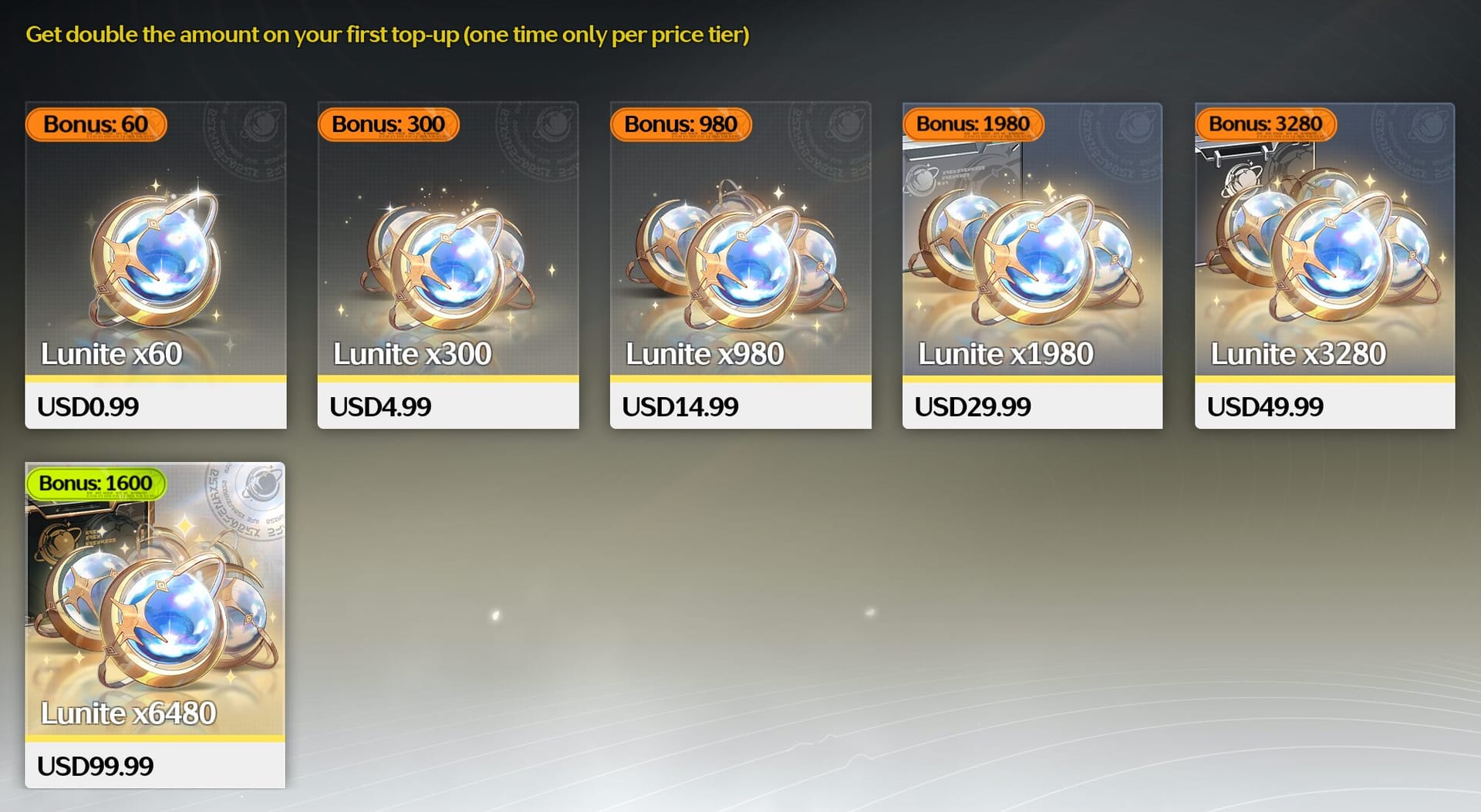
Price is where people get tempted. Community reports mention discounts around 20%, and some promotions reach up to 30%. One cited example is 6480+1600 Lunite for US$71 on a reseller listing. That’s attractive. But cheaper doesn’t automatically mean safer or less safe. The real question is whether the lower price comes with weaker support, weaker proof, or weaker recovery if something goes wrong.
Why do region mismatch and account details cause so many Lunite top-up problems?
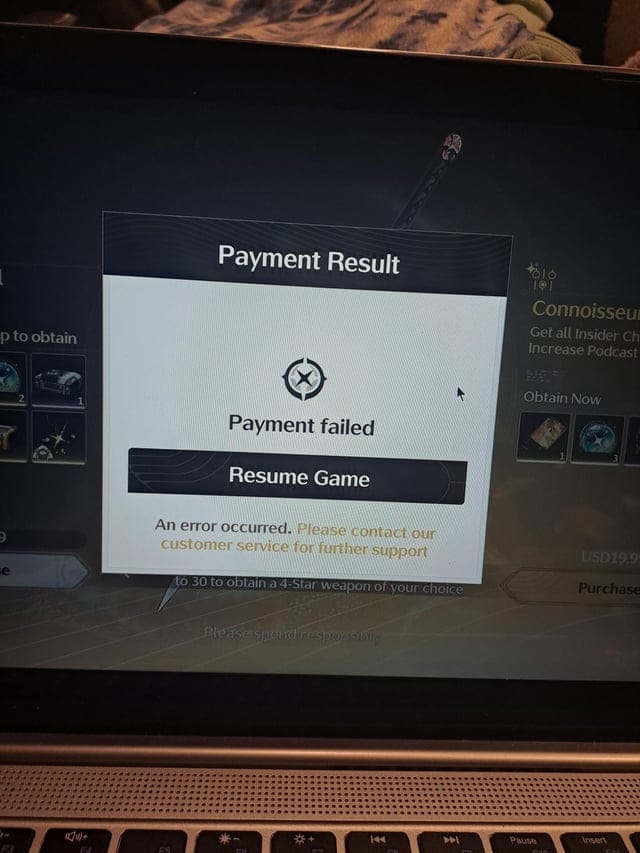
Region mismatch and account-entry mistakes cause many Lunite top-up problems because digital currency delivery depends on exact account mapping and billing checks. A successful bank charge does not always mean the order has cleared verification.
Common failure points:
Wrong UID
Wrong server/region
Billing currency mismatch
Official anti-fraud block such as cross-region payment risks detected
Delayed manual review on third-party orders
Users commonly report official purchases being blocked by cross-region risk detection. That’s one reason some players look at alternatives, especially in high-cost regions or when they don’t have a supported card. Community feedback also notes Steam wallet pricing can be cheaper in some SEA cases, and some users rely on local methods by region. Still, local wallet or billing-currency mismatch can trigger its own lockouts.
And honestly, delayed delivery is frustrating when the payment already left your account. In my experience reviewing recharge issues, the first details that matter are:
UID
server
order ID
payment timestamp
receipt
screenshots of the confirmation page
Without those, both seller support and payment disputes get harder fast.
How can you check whether a Wuthering Waves Lunite recharge site is trustworthy before paying?
You can check a recharge site’s trustworthiness by verifying checkout security, account-input handling, order visibility, and support recoverability before you pay. Don’t rely on safe badges alone.
Use this checklist:
Check HTTPS
The site should load securely.
No browser warnings. No mixed-content errors.
Check how they identify your account
Prefer UID-only top-up.
Avoid giving login details unless absolutely necessary.
Check payment transparency
Visible payment processors
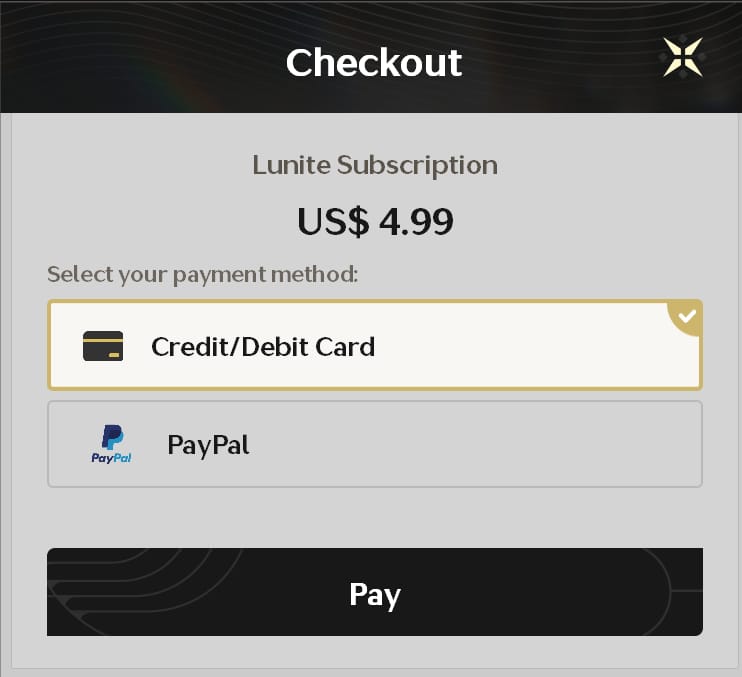
Clear supported methods such as credit/debit card, local payment options, or stablecoin/crypto
If using crypto or USDT, remember the risk is higher because transfers are harder to reverse.
Check order tracking
There should be a real order status page.
You should receive an order ID immediately.
Check support before purchase
Live chat or a working ticket path
Clear post-purchase contact method
Refund terms shown before payment
Check public reputation
Look for review history and ratings on independent review platforms.
Be wary of vague promises with no evidence.
Check delivery wording
Instant is not enough.
Some sites state 10–15 minute delivery windows. That’s more believable than a blanket promise with no conditions.
If you want an alternative recharge route, compare Wuthering Waves Lunite third party top up the same way: account-input method first, support path second, price third. I personally prefer the option with clearer order tracking even if it isn’t always the cheapest.
How should you safely top up Wuthering Waves Lunite and avoid common mistakes?
You should top up safely by confirming account details first, choosing a payment method with usable records, and saving proof before the order closes. Most preventable problems happen before the payment is submitted.
Official checkout steps
Go to the official cashier.
Log in to the correct Wuthering Waves account.
Confirm region and item.
Pay with a supported method for your region.
Save:
receipt
payment confirmation
order timestamp
screenshots of any error
If payment fails:
Contact in-game support.
Send the receipt, bank confirmation, and error details.
If needed, use official customer service for refund handling.
Third-party checkout steps
Confirm your UID and server twice.
Use a seller that supports UID-only fulfillment if possible.
Review delivery time, refund limits, and support channel before paying.
Prefer payment methods with clearer dispute records. Card is usually safer than irreversible crypto.
Save:
order ID
receipt
UID/server entered
checkout screenshots
support chat logs
If Lunite doesn’t arrive:
Contact seller support first.
Provide the order ID, UID, server, timestamp, and screenshots.
If payment succeeded but delivery failed and the seller doesn’t resolve it, dispute through the payment processor with proof.
One hard truth: official support usually won’t recover a third-party order for you. That’s why proof-saving matters so much more outside the official flow.
Is it safe to buy Wuthering Waves Lunite from a third-party site?
It can be relatively safe in practice, but it is not officially safe under Kuro’s policy. Use official checkout for the lowest risk; use third-party only if the seller passes strict trust checks and you accept the policy risk.
What is the difference between official and third-party Wuthering Waves Lunite top up?
Official top-up is policy-compliant and has clearer support and refund handling. Third-party top-up may offer lower prices or region-friendly payment access, but support is usually seller-dependent and recovery is weaker.
How do I know if a Wuthering Waves Lunite seller is legit?
Check for HTTPS, visible payment processors, a real order tracking page, clear refund terms, and working support. Also verify whether the seller only needs your UID; asking for login details raises the risk.
What happens if I top up Wuthering Waves Lunite to the wrong account?
Wrong UID or server can delay fulfillment or send the order to the wrong account. Recovery depends on the seller and timing, so double-check account details before paying and keep screenshots of what you entered.
Why is my Wuthering Waves Lunite order still pending?
Pending orders are often caused by manual verification, wrong account details, region checks, or payment review. Some sellers quote 10–15 minute delivery, so don’t panic immediately—but contact support if the status doesn’t move and keep your proof ready.
Can I get a refund for a Wuthering Waves Lunite top up?
Official purchases have a clearer refund path through customer service. Third-party refunds depend on the seller’s terms; some promise full refunds if undelivered, but once delivery is completed or crypto is involved, refund options are usually narrower.
Is cheaper Wuthering Waves Lunite always riskier?
No. Lower price alone isn’t the danger signal. The real risk is poor support, unclear delivery, weak proof, or unsafe account handling behind that lower price.
Official checkout remains the safest recommendation for Wuthering Waves Lunite because it matches policy and gives you the clearest support chain if payment fails. Third-party top-up can still be workable for some users, especially for region or payment-method constraints, but only after strict trust checks. My recommendation is simple: choose official by default, and if you use an alternative like VGTopup, verify UID, server, order tracking, and support before you pay.